
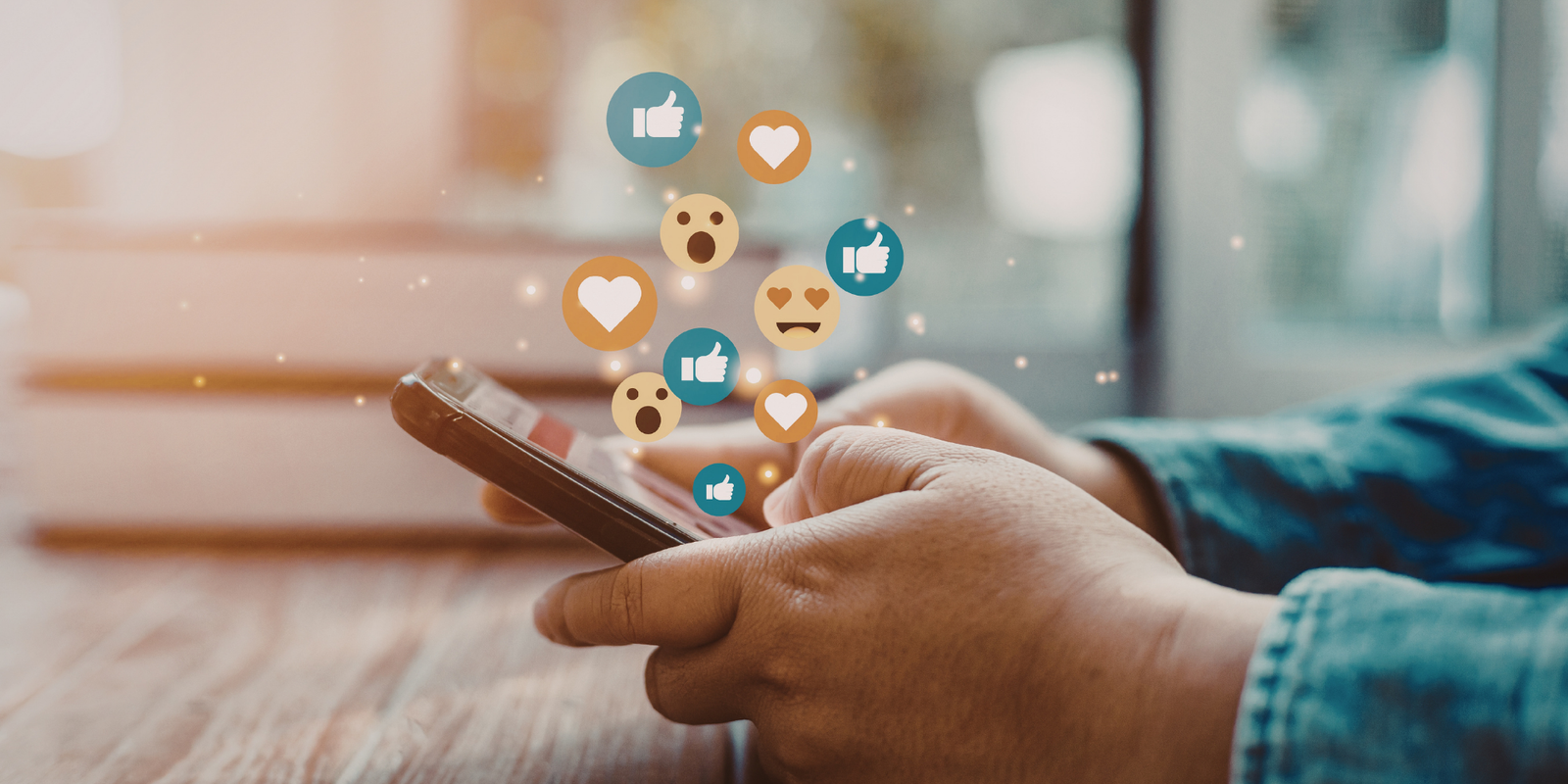
Social media is woven into daily life for billions of people. It connects us, informs us, and entertains us — but it also shapes how we see ourselves, others, and the world. The mental-health impacts of social media are complex: for some people and in some situations it’s supportive; for others it can worsen anxiety, depression, sleep problems, and self-image. Understanding the mechanisms, who’s most at risk, and practical steps to reduce harm makes it possible to keep the benefits and limit the costs.
How social media affects the mind
1. Social comparison and self-worth: Social media platforms encourage curated, highlight-reel portrayals of life. Regularly comparing your everyday experience with others’ best moments can breed envy, low self-esteem, and body dissatisfaction. Passive consumption (endless scrolling) increases this risk more than active engagement.
2. Reward loops and compulsive use: Likes, comments, and related factors trigger short-term dopamine responses that can promote repeated checking. Over time this pattern can fragment attention, increase stress, and make it harder to sustain offline tasks and relationships. This is a very common occurrence with a large number of us.
3. Exposure to harmful content: Graphic imagery, self-harm or pro-eating-disorder content, misinformation, and extremist material can re-traumatize, normalize harmful behaviors, or increase anxiety. Algorithms that prioritize engagement can inadvertently amplify such content.
4. Cyberbullying and social exclusion: Harassment, shaming, or coordinated attacks online cause profound distress. Unlike offline aggression, digital harassment can be continuous and public, increasing feelings of helplessness and isolation.
5. Sleep disruption and emotional arousal: Nighttime device use, blue-light exposure, and emotionally charged interactions delay sleep onset and reduce sleep quality. Poor sleep worsens mood, cognitive control, and resilience to stress.
6. Community, identity, and support: On the positive side, social media can create belonging, access to peer support, and channels for identity exploration — particularly valuable for people in marginalized groups or with rare conditions.
Who is most vulnerable
i) Adolescents and young adults: Their brains are developing, peer feedback matters intensely, and they often spend many hours online — a combination that heightens risk for negative impacts.
ii) People with existing anxiety, depression, eating disorders, or low self-esteem: Social media can exacerbate symptoms or trigger relapses.
iii) Individuals who are socially isolated or experiencing life stressors: These users may rely on online interaction in ways that replace restorative offline contacts.
iv) People who are targets of harassment, discrimination, or online abuse.
Practical strategies to protect mental health
For individuals
i) Audit your use: Track time and notice how different activities (active vs passive) make you feel.
ii) Set boundaries: Create phone-free periods (especially before bed), mute nonessential notifications, and use time limits or app blockers if needed.
iii) Curate your feed: Unfollow or mute accounts that trigger negative comparisons; follow accounts that inspire, educate, or uplift.
iv) Favor active connection: Message friends, create content, and seek meaningful interactions over passive scrolling.
v) Pause before posting: Consider privacy, permanence, and emotional state.
vi) Balance online and offline life: Prioritize sleep, exercise, in-person relationships, and hobbies.
For parents and educators
i) Teach digital literacy: Discuss the differences between online presentation and reality.
ii) Model healthy habits: Demonstrate screen boundaries and device-free family time.
iii) Monitor changes: Watch for sleep loss, mood shifts, school problems, or withdrawal and respond with supportive conversation.
If you are a clinician
i) Ask about social-media habits when assessing mood, sleep, and anxiety.
ii) Use brief interventions: behavior-change strategies, sleep hygiene, and activity scheduling can be effective.
iii) Support families in setting boundaries for young people and encourage media diaries to identify harmful patterns.
Conclusion
Social media is neither inherently good nor bad. Its impact depends on how platforms are built, how people use them, and the social contexts around use. The same tool that connects an isolated person to a supportive community can also expose another person to relentless comparison or abuse.
Simple, consistent actions, such as limiting night use, curating content, favoring active engagement, and bolstering offline supports, produce meaningful gains in wellbeing.


Stay ahead in a rapidly world. Subscribe to Prysm Insights,our monthly look at the critical issues facing global business.