
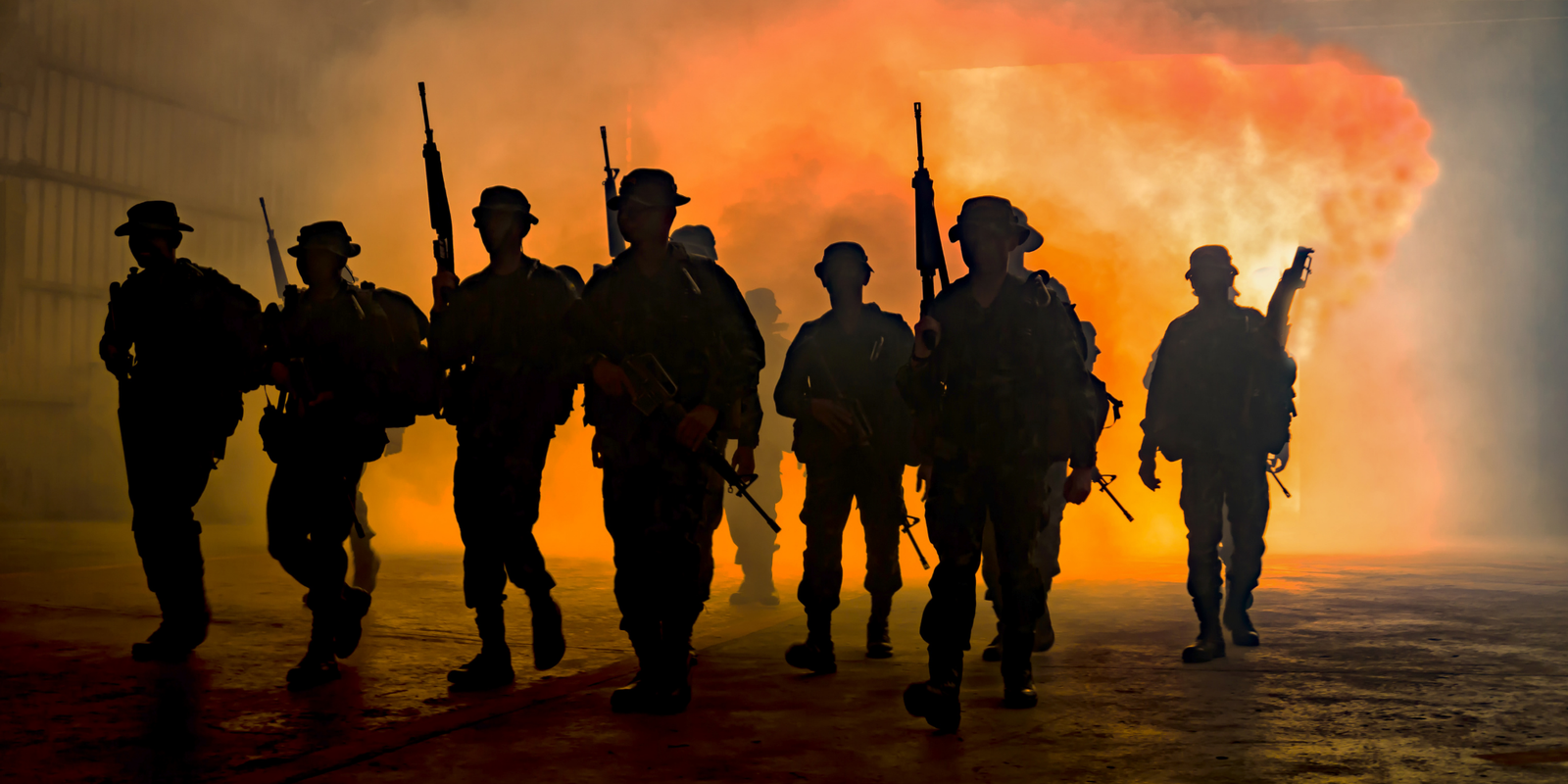
War and armed conflict do more than destroy buildings and economies — they devastate minds. The psychological wounds inflicted by violence, loss, displacement, and chronic insecurity persist long after active fighting ends. Understanding the mechanisms, common presentations, vulnerable groups, and pathways to recovery is essential for clinicians, policymakers, humanitarian actors, and communities seeking to reduce suffering and rebuild resilience.
How conflict damages mental health
Direct exposure to violence: Witnessing or experiencing bombardment, raids, torture, sexual violence, or killing produces acute stress responses and increases risk for post-traumatic stress disorder (PTSD), depression, and anxiety disorders. The brain’s fear circuitry becomes sensitized; sleep, concentration, and emotion regulation suffer.
Loss and grief: Sudden death of family members, friends, and community leaders creates compounded, often prolonged grief. When bodies are missing or burial rituals are disrupted, mourning can become unresolved and pathological.
Displacement and insecurity: Forced migration, repeated relocations, and living in refugee or IDP camps undermine stability, social ties, and routine — factors that protect mental health. Chronic uncertainty fuels persistent anxiety, hypervigilance, and learned helplessness.
Deprivation and breakdown of services: Scarcity of food, healthcare, shelter, and education increases daily stress and contributes to malnutrition and disease, which interact bidirectionally with mental health. Destruction of health infrastructure removes access to mental health care when it is most needed.
Social and cultural disruption: Conflict erodes community cohesion, trust, and social norms. Social support networks fragment, and stigma around mental health can intensify, preventing help-seeking.
Economic collapse and role loss: Unemployment and loss of livelihood create chronic stress, shame, and identity disruption, increasing the risk of substance use disorders and suicidal behavior.
Common mental health outcomes
- Acute stress reactions and adjustment disorders — immediate and often short-lived but can persist without support.
- PTSD — intrusive memories, flashbacks, nightmares, avoidance, hyperarousal.
- Major depressive disorder — profound sadness, anhedonia, fatigue, cognitive impairment.
- Anxiety disorders — generalized anxiety, panic attacks, persistent worry.
- Complicated grief — prolonged, impairing mourning processes.
- Substance misuse — often used to self-medicate trauma-related symptoms.
- Psychotic exacerbations — in a minority, severe stress may precipitate or worsen psychosis.
- Developmental and behavioral problems in children — attachment issues, regression, aggression, learning difficulties.
Children and adolescents: A special case
Young people are uniquely vulnerable. Exposure during critical developmental windows interferes with brain development, emotional regulation, and education. Adverse childhood experiences (ACEs) linked to conflict increase lifetime risk for mental and physical diseases. Children separated from caregivers are at high risk of attachment disorders, depression, and behavioral problems.
Factors that compound the damage
- Cumulative and complex trauma: Repeated, diverse traumatic events create complex PTSD and more severe functional impairment than single-event trauma.
- Intergenerational transmission: Parental trauma affects caregiving, attachment, and the psychosocial environment, passing risk to offspring.
- Social determinants: Poverty, discrimination, and legal barriers to services magnify psychological harm.
Barriers to care in conflict settings
- Destroyed or inaccessible health services.
- Shortage of trained mental health professionals.
- Cultural and linguistic mismatches between providers and survivors.
- Stigma and fear of retribution for disclosing trauma.
- Administrative hurdles for displaced populations (lack of documentation, legal status, memory disruptions).
- Focus on immediate physical needs diverting resources from psychosocial care.
A note to us all
Nobody wins a war. Even when we think we have won, we have indeed lost! War shatters mental health through direct trauma, loss, displacement, and systemic collapse — producing a complex burden that endures across lifetimes and generations. Addressing the psychological aftermath of conflict is not secondary relief — it is central to restoring human dignity, functioning, and the foundations of peaceful, productive societies.


Stay ahead in a rapidly world. Subscribe to Prysm Insights,our monthly look at the critical issues facing global business.