

Integrative Ruminations Hosts Inaugural Workshop in Lagos, Nigeria.
We are delighted to share that Integrative Ruminations successfully held its first official
event—a foundational workshop—on February 7, 2026, in Lagos, Nigeria.
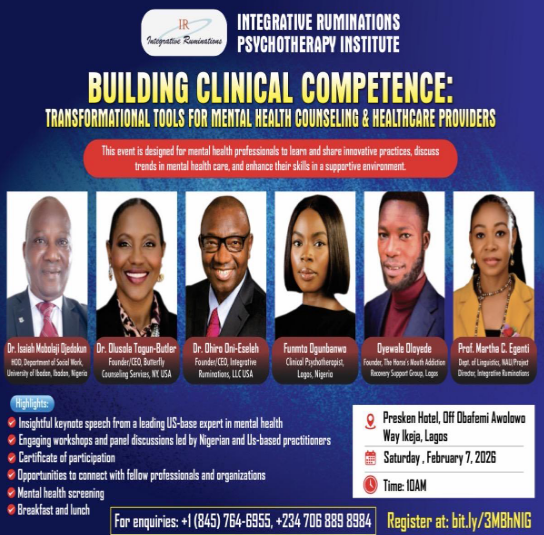
This inaugural gathering marked an important milestone in our journey to cultivate reflective,
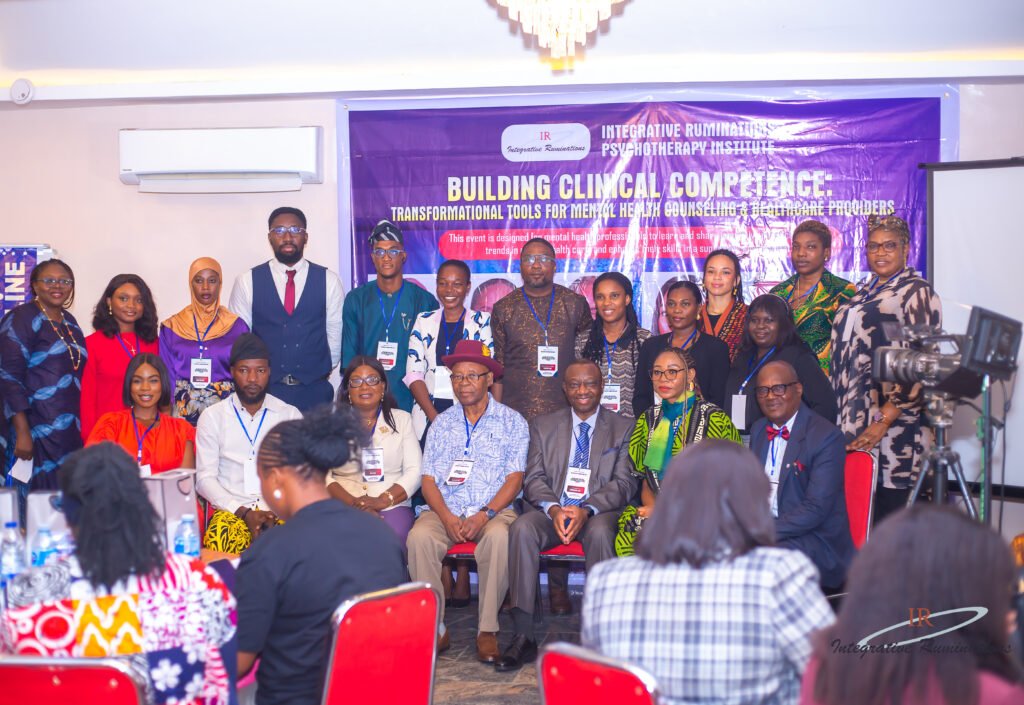
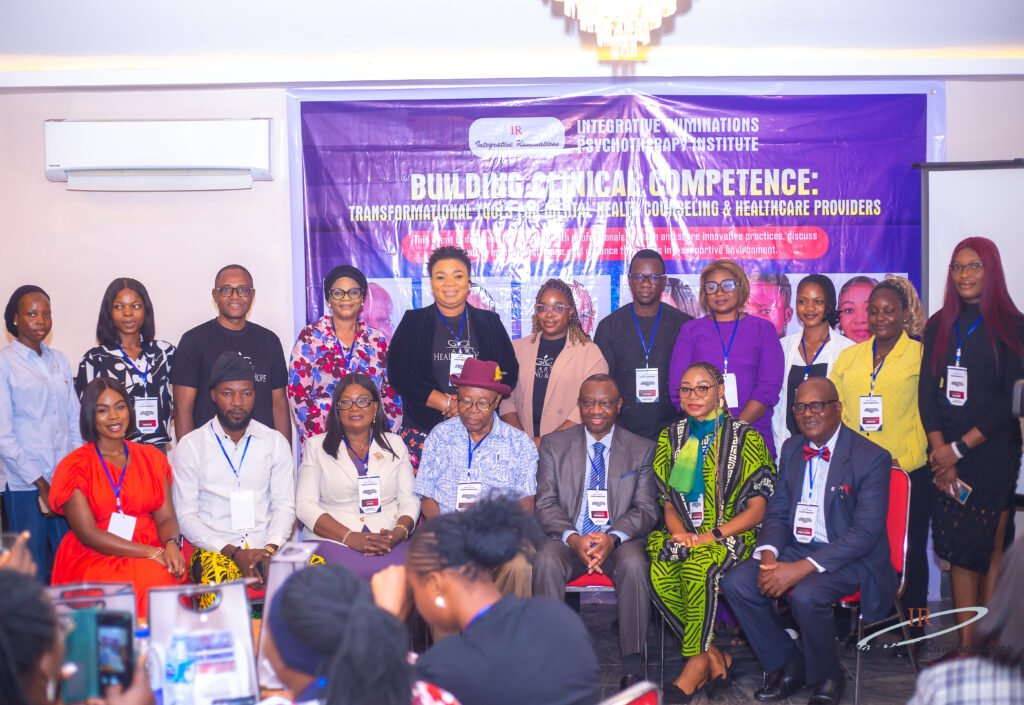
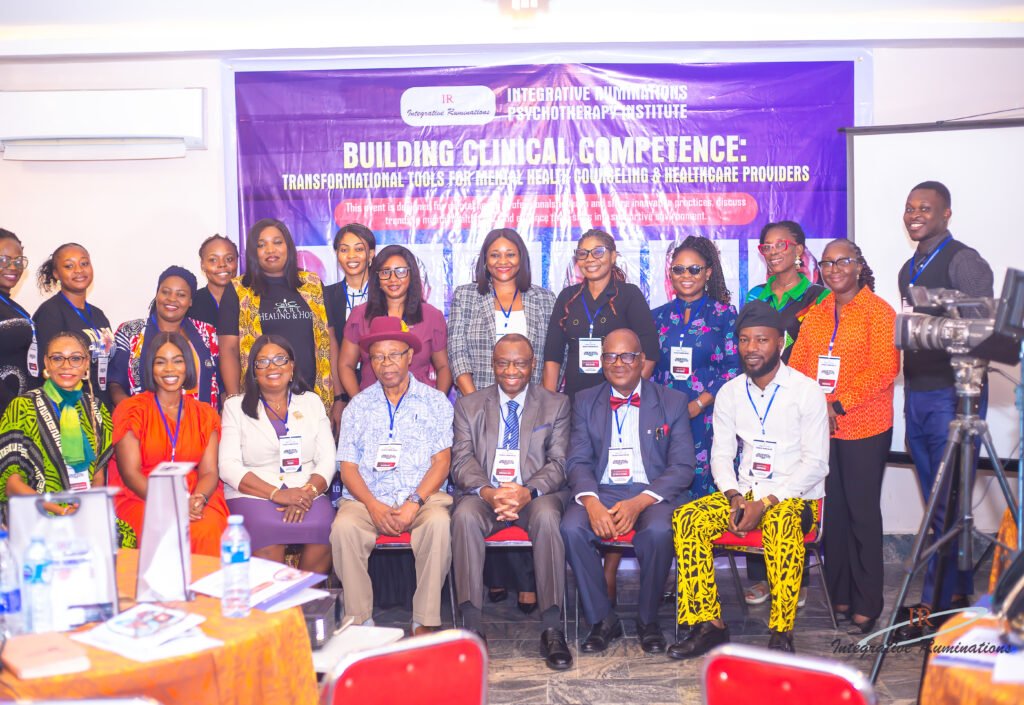
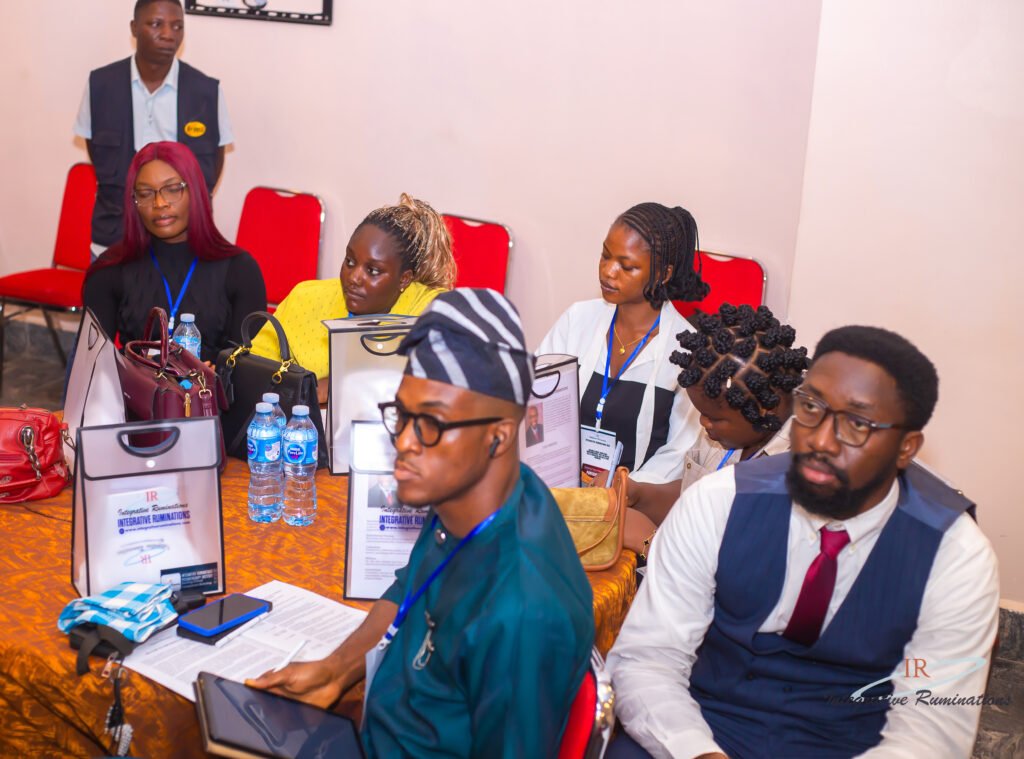
interdisciplinary dialogue at the intersection of psychology, culture, spirituality, and social transformation. Held in the vibrant and intellectually dynamic city of Lagos, the workshop brought together clinicians, scholars, students, and community leaders for a day of critical engagement and collaborative learning.
Participants engaged in interactive discussions, case reflections, and small-group dialogues exploring how global therapeutic models can be thoughtfully adapted within local cultural frameworks.
The atmosphere was both rigorous and reflective—true to the spirit of Integrative Ruminations
LLC. Attendees shared insights from their diverse professional backgrounds, fostering
meaningful exchanges that extended beyond formal sessions. The energy in the room affirmed
the growing desire for spaces that hold together intellectual depth, cultural grounding, and
practical application.
We are deeply grateful to everyone who attended, contributed, and supported this inaugural
event. Your presence and engagement set a strong foundation for what Integrative Ruminations
seeks to become: a thoughtful, community-centered platform for ongoing dialogue and
professional growth. Click to read Dr. Ohiro Oni-Eseleh’s article about the workshop.
This first workshop in Lagos is only the beginning. We look forward to expanding our
programming through future workshops, seminars, publications, and collaborative initiatives
across Africa and beyond.
Stay connected for upcoming announcements—and thank you for being part of this emerging
journey.
Upcoming Webinar
Webinar – March 28, 2026 at 7pm – 8pm WAT
Topic – Breaking the Cycle: Practical Tools for High-Conflict Relationships
Registration link – Webinar registration
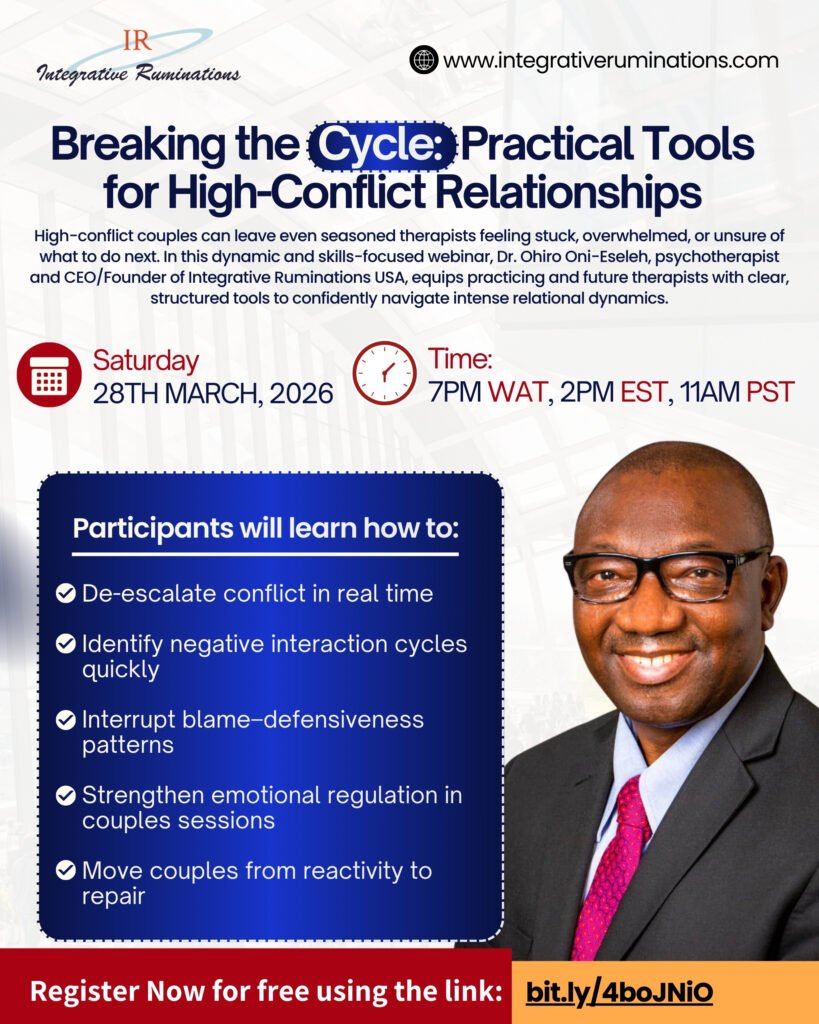
REGISTER NOW : HERE
Training Notice
IR’s Psychotherapy Institute will begin its next round of training sessions soon. You may visit our
website from March 16, 2026 to see our full array of course offerings. That is also the day we
will open up for registration. In the meantime, here is a list of our courses, and you can see our
sample course descriptions below:
● Trauma and Stress-Related Disorders (Children/Adolescents & Adults) – 4 weeks
● Depressive Disorders – 4 weeks
● Anxiety Disorders – 4 weeks
● Bipolar Disorder – 4 weeks
● Personality Disorders – 4 weeks
● Neurodevelopmental Disorders – 4 weeks
● Schizophrenia Spectrum and Other Psychotic Disorders – 4 weeks
● Substance-Related and Addictive Disorders – 8 weeks
Therapeutic Approaches:
● Cognitive-Behavioral Therapy – 4 weeks
● Dialectical Behavior Therapy (DBT) – 4 weeks
● Attachment-Based Therapy – 4 weeks
● Mindfulness-Based Therapies – 4 weeks
● Grief Counseling – 4 weeks
● Relationship/Marital Therapy – 8 weeks
Anyone may register for one or more courses.
Sample course descriptions
Course: Relationship and Marital Counseling: Assessment, Intervention, and Evidence-Based
Strategies
Instruction modality: Live Virtual Sessions: 4; Self-paced: 4
Course Description:
This 8-week hybrid course provides an in-depth exploration of relationship and marital counseling,
equipping participants with the knowledge and clinical skills necessary to support couples and families
across diverse populations and life stages. The course emphasizes the assessment of relational dynamics,
attachment patterns, communication styles, conflict resolution, and systemic influences on marital and
familial functioning.
Participants will learn to integrate theoretical frameworks with evidence-based interventions, including
Emotionally Focused Therapy (EFT), Cognitive-Behavioral Couples Therapy (CBCT), the Gottman
Method, and communication and problem-solving strategies. Emphasis is placed on assessing relational
strengths and challenges, designing individualized treatment plans, and facilitating interventions that
enhance emotional connection, mutual understanding, and relationship satisfaction.
The hybrid format combines live interactive sessions, recorded lectures, case consultations, applied
exercises, and reflective assignments, allowing participants to apply clinical knowledge in practical
settings. Culturally sensitive, trauma-informed, and ethical practices are woven throughout the
curriculum, enabling participants to work effectively with diverse couples and family systems.
By the end of the course, participants will be able to:
● Explain key theories and models relevant to relationship and marital counseling
● Conduct comprehensive relational assessments, identifying patterns affecting emotional
connection, communication, and conflict
● Develop individualized, evidence-based treatment plans for couples and relational partners
● Apply therapeutic interventions to improve communication, conflict resolution, attachment
security, and relational satisfaction
● Integrate culturally responsive, trauma-informed, and ethical practices into relational counseling
● Monitor relational progress, address relational ruptures, and support long-term relational growth
and resilience
Course: Trauma and Stressor-Related Disorders: Assessment, Interventions, and Treatment
Planning
Instruction modality: Live (Virtual) Sessions: 2; Self-paced: 2
Course Description:
This 4-week hybrid course provides an in-depth exploration of trauma and stressor-related disorders
across the lifespan, emphasizing evidence-based assessment, intervention, and treatment planning.
Participants will gain practical skills in identifying and diagnosing disorders such as Post-Traumatic
Stress Disorder (PTSD), Acute Stress Disorder, Adjustment Disorders, and other trauma-related
conditions.
The course integrates theoretical frameworks with applied clinical practice, covering the neurobiology of
trauma, psychophysiological responses to stress, and the impact of trauma on relational, cognitive, and
emotional functioning. Evidence-based interventions, including trauma-focused Cognitive Behavioral
Therapy (TF-CBT), Eye Movement Desensitization and Reprocessing (EMDR), grounding techniques,
and psychoeducation, will be emphasized.
Participants will also explore the assessment of risk and resilience, co-occurring disorders, culturally
responsive care, and ethical considerations when working with trauma survivors. The hybrid format
combines live interactive sessions, recorded lectures, applied exercises, and reflective assignments,
enabling participants to develop competency in trauma-informed care, client stabilization, and
phase-based treatment planning.
By the end of the course, participants will be able to:
● Recognize and diagnose trauma and stressor-related disorders using DSM-5-TR criteria
● Conduct trauma-informed assessments and risk screenings
● Apply evidence-based interventions for trauma symptom reduction and emotional regulation
● Integrate culturally sensitive and ethical practices into trauma treatment
● Develop phase-based treatment plans for stabilization, processing, and long-term recovery
Finally……
Dear Reader,
Thank you for taking the time to read this monthly Integrative Ruminations (IR) Newsletter.
Your interest in thoughtful reflection, mental wellness, and continued learning is truly
appreciated.
The goal of this newsletter is to share insights, resources, and perspectives that support
emotional wellbeing and professional growth for individuals, clinicians, and healthcare
professionals alike. Your engagement helps foster a community that values curiosity, reflection,
and meaningful dialogue about mental health.
Thank you for being part of the Integrative Ruminations community. I look forward to continuing
to share ideas and resources with you.
Warm regards,
Ohiro Oni-Eseleh
Dr. Ohiro Oni-Eseleh
Integrative Ruminations

